 Whatsapp:+8613811510145
 xhmineral@xinhaimining.com

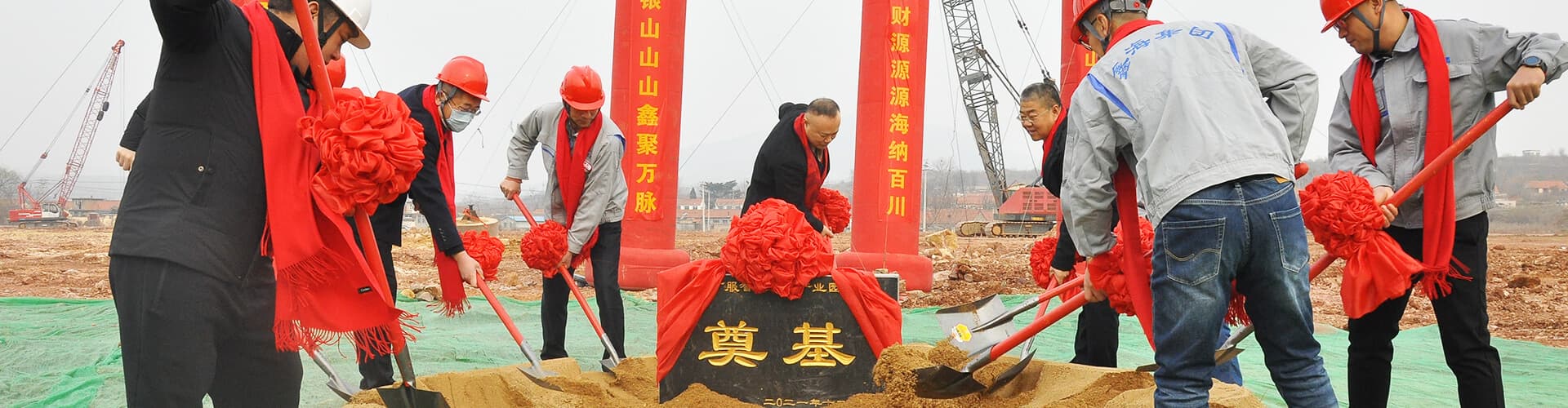
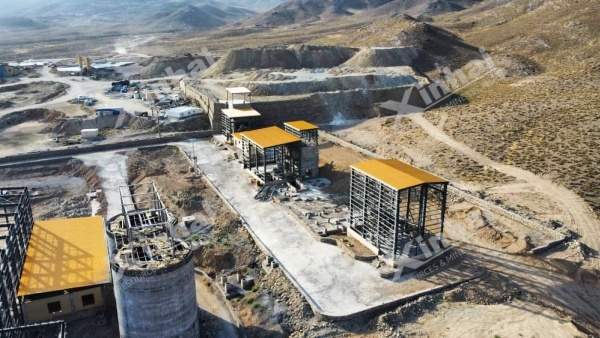
For mining investors evaluating opportunities in copper beneficiation, Zambia remains a premier destination. The country offers a world-class copper belt, a stable mining policy framework, and well-established logistics. This practical guide and case study overview outline the strategic advantages and implementation steps for developing a copper concentrator plant in Zambia.
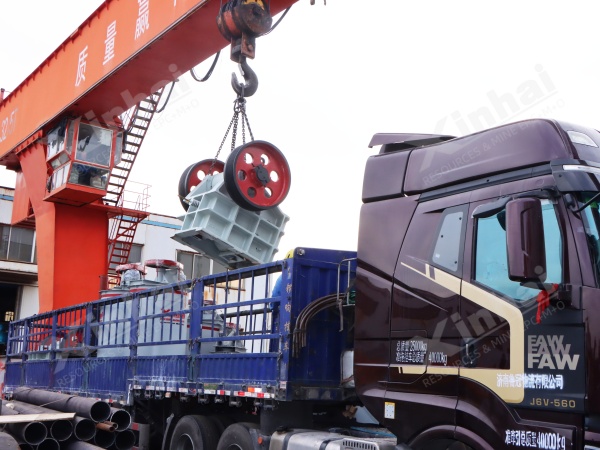
Are you in the fluorite processing business and facing typical challenges? Low concentrate grade, excessive silica, and impurities directly lower your selling price. Many operators also struggle with proper process design and equipment selection, risking improper layout and wasted investment. Setting up a fluorite concentrator may look simple, but it requires careful planning for process arrangement, equipment matching, stable grade control, and cost management. This article shares the complete fluorite processing flow, standard equipment selection, and core technical solutions, helping you adopt mature schemes and avoid unnecessary detours.
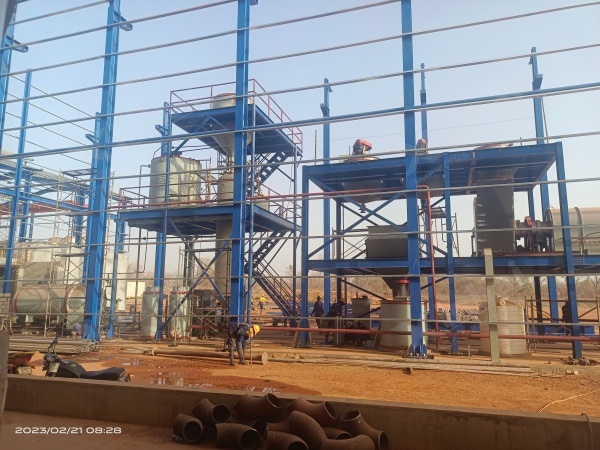
In mineral processing plant construction, steel structure buildings have become the industry’s widely recognized mainstream choice. Compared with traditional reinforced concrete structures, steel structures offer significant advantages in construction speed, overall cost control, on-site construction complexity, and future expansion or relocation. This is especially evident in regions such as Africa, where steel structure plants have effectively become the standard configuration. Whether building a new concentrator or expanding an existing facility, most mining companies prioritize steel structures to achieve faster commissioning, better cost control, and smoother project delivery.
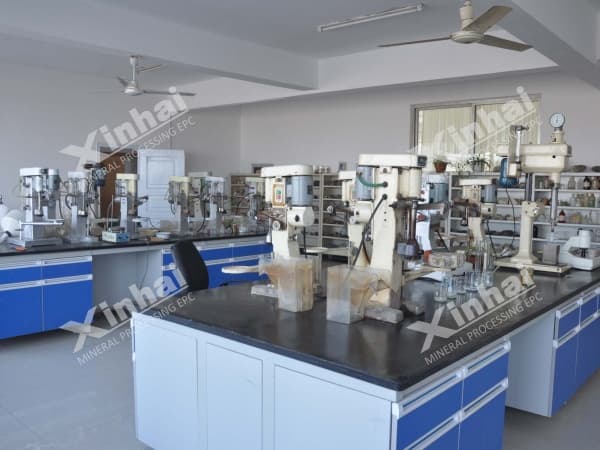
Article Summary: A mineral processing laboratory provides key testing, analysis and research services for mining projects. It conducts various tests like sample preparation, grindability, gravity separation, flotation and leaching, with clear procedures to ensure data accuracy. Its test reports include ore composition, optimal grinding size, beneficiation flowsheets and recovery rates, providing strong support for project design, equipment selection and cost control, reducing investment risks. Xinhai’s CNAS-certified laboratory offers professional tests for various minerals, with formal reports and customized solutions, helping mining projects achieve stable, efficient operation.
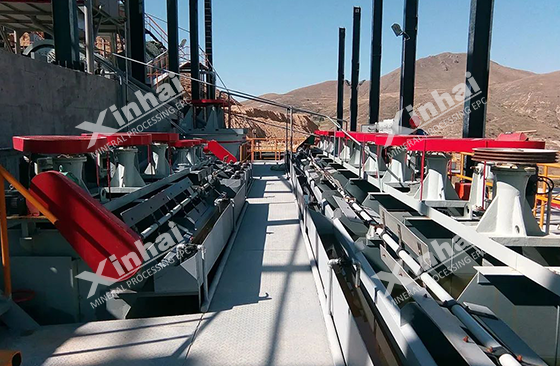
As an efficient mineral processing technology, gold flotation technology plays an important role in modern gold extraction. It separates gold minerals from complex ores through physical and chemical methods to recover gold. With the increasing complexity and depletion of gold resources, flotation technology has become one of the most commonly used methods in gold extraction due to its high efficiency and flexibility. This article will comprehensively explore the principles and processes of gold flotation technology, aiming to provide a systematic reference for relevant practitioners and researchers.
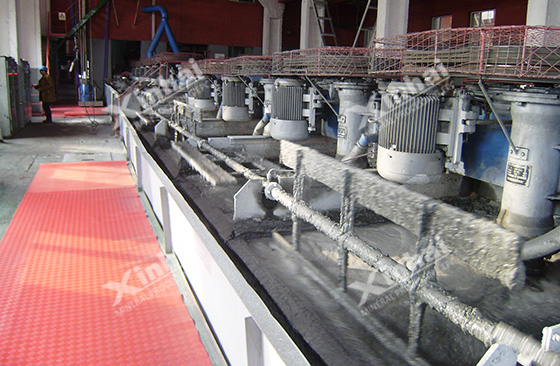
Gold flotation is a technology that utilizes the interaction between the surface of gold minerals and flotation reagents to separate gold minerals from waste ore by causing them to float to the surface of the pulp. As a crucial gold ore beneficiation technique, flotation efficiency directly determines gold recovery rates and consequently impacts the economic benefits of mining operations. To enhance the gold flotation efficiency, it is essential to thoroughly understand the various influencing factors and optimize processes based on ore characteristics, flotation equipment performance, and control of process parameters. The following are four primary factors affecting the gold flotation efficiency.
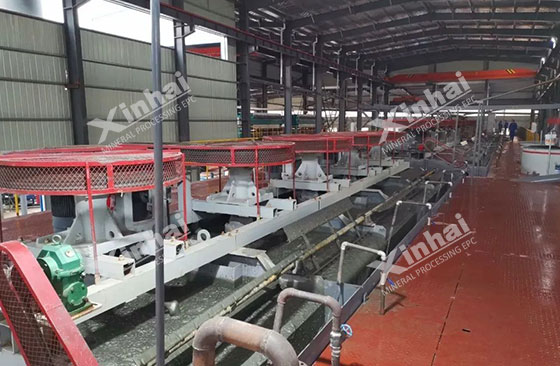
Gold flotation technology is widely used in the processing of various types of gold ores. The use of different flotation processes and the optimization of reagent selection have become the key to improving gold recovery and reducing production costs. The selection of gold flotation technology mainly depends on the type of ore. Common types of gold mines include sulfide gold ore, oxidized gold ore and polymetallic associated ore. The flotation difficulty and process requirements of each ore are different, and the use of reagents is also quite different. This article will introduce in detail the characteristics of different types of gold flotation processes and the types of reagents used, and explore how to improve the recovery efficiency of gold by optimizing the use of reagents.
Gold ore beneficiation process is a key link when utilizing gold mines. The selection of beneficaition method is directly related to the gold recovery rate, production cost and environmental protection. The common used gold ore beneficiation methods include flotation separation process, gravity separation process and cyanidation process. Each of them has its own characteristics, and they are used in different types of gold ore beneficiation process. This article will compare gold ore flotation process with other beneficiation methods to help customers select optimal gold ore processing methods.
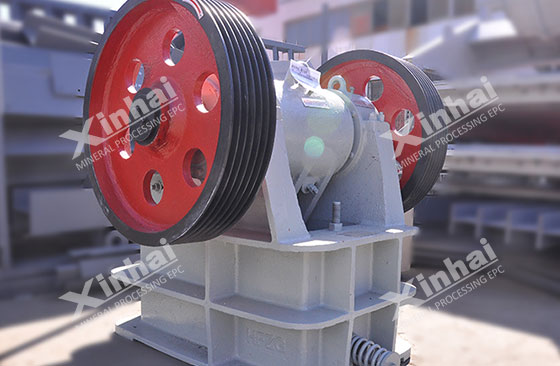
Gold flotation is an important part of modern gold ore dressing. It is mainly the process of gold extraction through physical and chemical methods. The equipment in the gold flotation process includes crushing equipment, grinding equipment, flotation equipment, thickening equipment and filtration equipment. The selection and maintenance of gold flotation equipment will directly affect the efficiency of the flotation process. Scientific design and management based on ore characteristics, beneficiation plant scale and process requirements will be beneficial to the flotation process of gold mines. The following will start from gold flotation equipment selection to provide reference for the efficient operation of gold flotation.
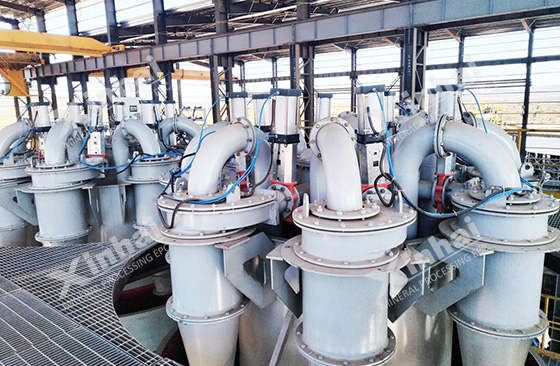
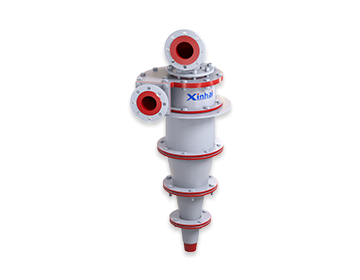
In the mineral processing process, hydrocyclone is an important equipment for mineral classification and separation. The performance of hydrocyclone equipment will directly determine the efficiency of the mineral processing production line and the utilization efficiency of mineral resources. However, in actual production, the operation effect of hydrocyclone is affected by many complex factors, and every link in the mineral processing process may affect the overall performance of the equipment. This article will analyze the factors affecting the equipment from the perspective of equipment performance and provide targeted optimization strategies.







 Whatsapp:+8613811510145
  xhmineral@xinhaimining.com
  Online Inquiry

 Consult
 Message
 Email
Email
 Whatsapp
