 Whatsapp:+8613811510145
 xhmineral@xinhaimining.com

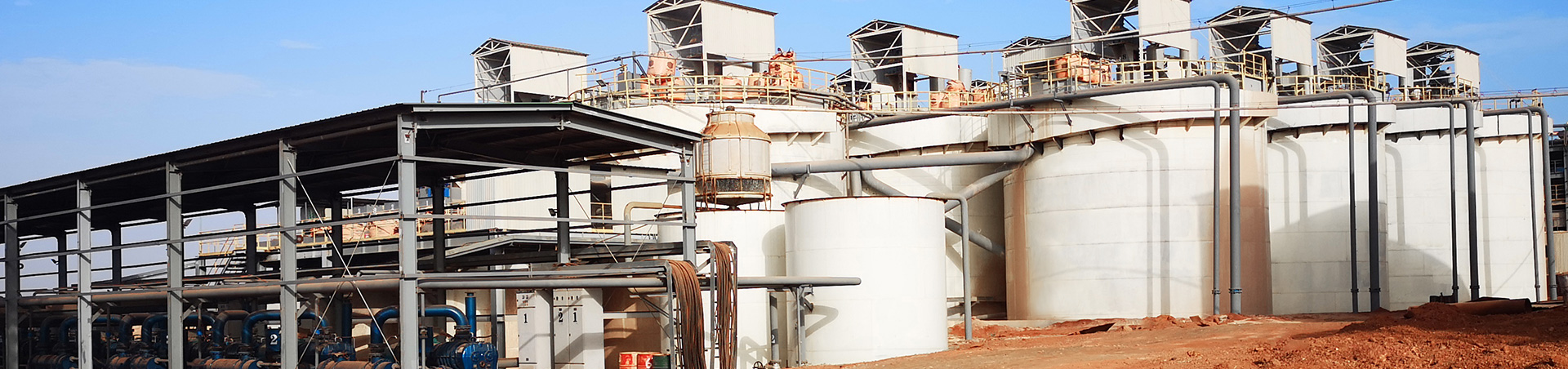
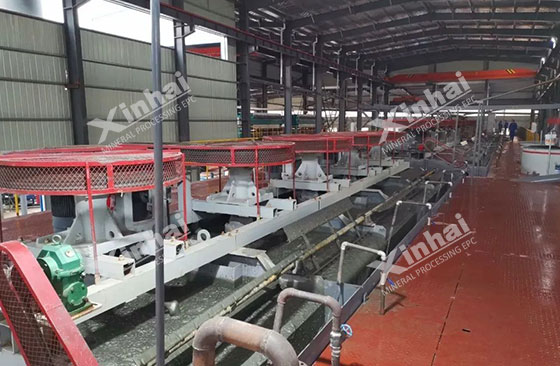
Gold flotation technology is widely used in the processing of various types of gold ores. The use of different flotation processes and the optimization of reagent selection have become the key to improving gold recovery and reducing production costs. The selection of gold flotation technology mainly depends on the type of ore. Common types of gold mines include sulfide gold ore, oxidized gold ore and polymetallic associated ore. The flotation difficulty and process requirements of each ore are different, and the use of reagents is also quite different. This article will introduce in detail the characteristics of different types of gold flotation processes and the types of reagents used, and explore how to improve the recovery efficiency of gold by optimizing the use of reagents.
2025-02-27 XinHai (views 2528)
Gold flotation technology is widely used in the processing of various types of gold ores. The use of different flotation processes and the optimization of reagent selection have become the key to improving gold recovery and reducing production costs. The selection of gold flotation technology mainly depends on the type of ore. Common types of gold mines include sulfide gold ore, oxidized gold ore and polymetallic associated ore. The flotation difficulty and process requirements of each ore are different, and the use of reagents is also quite different. This article will introduce in detail the characteristics of different types of gold flotation processes and the types of reagents used, and explore how to improve the recovery efficiency of gold by optimizing the use of reagents.
Sulfide gold ore is a common kind of gold ores. It mainly contains natural gold, silver gold ore and tellurium gold ore. When processing this kind of gold ores, you can apply single flotation process or flotation-cyanidation combined process to get higher gold ore recovery rate. During the sulfide gold ore flotation process, xanthate collectors and pine oil foaming agents are often used. Through using these agents, the hydrophobicity of sulfide minerals and the ability of minerals to adhere to bubbles will be increased effectively.
Grinding fineness, the addition amount of reagents and the flotation process will have an important influence on effect of beneficiation. By optimizing these factors, the gold recovery rate of sulfide gold ore can reach 80%-90%.
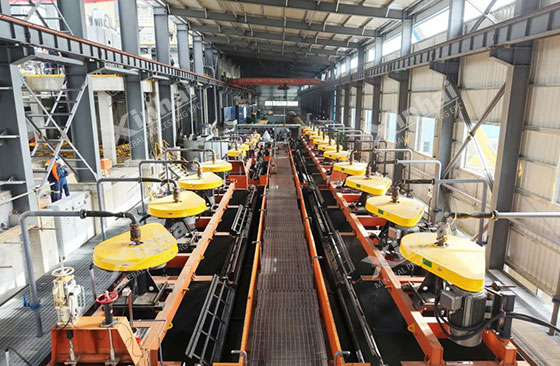
It is difficult to float oxidized gold ore. The main reason is that oxidized gold ore has a high hydrophilic and poor flotation performance. Usually, we should add an activator (such as copper sulfate or sodium sulfide) to enhance the flotation ability of the oxidized minerals. In recent years, new flotation reagents has been developed continuously, the flotation effect of oxidized gold ores has been significantly improved. The composite collectors and high-efficiency frothers can be applied to improve the flotation recovery rate of oxidized gold ores.
In actual production, the oxidized gold recovery rate can be increased to 60%-70% by optimizing the reagent formula. The type of flotation reagent and the order of addition need to be adjusted according to the characteristics of the gold ore to ensure the flotation efficiency.
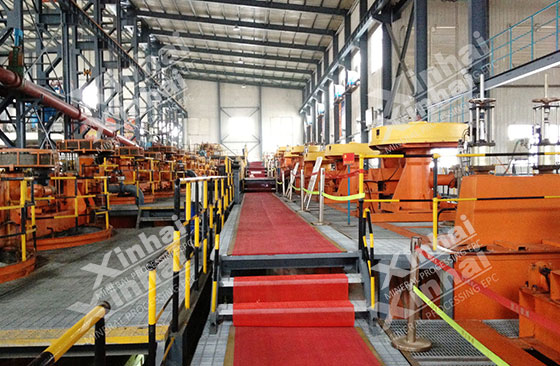
Polymetallic associated ore is a kind of ore contains gold, silver, copper, lead, zinc, etc. Because of its complex composition, the flotation of polymetallic associated ore is relatively difficult. Common ore flotation processes include priority flotation process and mixed flotation process. The priority flotation process usually floats the easily floatable minerals first, and then adjusts the reagents and flotation conditions to recover other metals.
The mixed flotation process ensures that multiple metals can be effectively recovered by reasonably adjusting the reagent ratio.
In the flotation of a certain gold-containing polymetallic ore, xanthate collectors are first used to float sulfide minerals, and then gold is recovered by cyanidation, which ultimately achieves efficient recovery of polymetallics such as gold, copper, lead, and zinc.
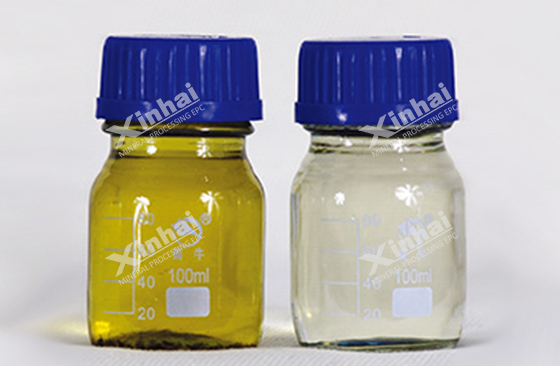
1. Collectors:
Xanthates: it has a good selectivity for sulfide minerals. Therefore, it is widely used in sulfide gold ore flotation.
Amamines:this kind of reagents has a good effect on oxidized gold ore flotation. And it can improve the mineral flotation.
Thio compounds: it can be used for flotation of some special minerals.
2. Frothing agent
Pine alcohol oil: it commonly used in the sulfide minerals flotation.
Ether alcohol oil, isomeric alcohol: they are used to optimize the foam performance during the flotation process and improve the ability of minerals to attach bubbles.
3. Adjusters
Lime: it is used to adjust the alkalinity of the pulp.
Sulfuric acid: it is used to adjust the acidic environment.
Copper sulfate: as an activator, it often used in the flotation of oxidized minerals.
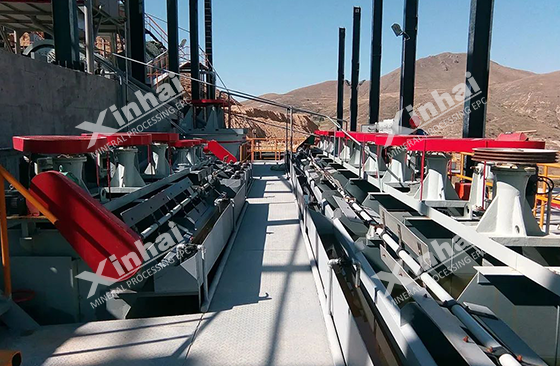
The success of gold flotation technology depends on the type of ore, reagent selection and process optimization. The recovery rate and flotation efficiency of gold can be improved through precise reagent use and adjustment of flotation parameters. With the emergence of new reagents and technological advances, the gold flotation process will be further optimized in the future, providing more efficient and economical solutions for the gold mining industry.
Gold ore beneficiation process is a key link when utilizing gold mines. The selection of beneficaition method is directly related to the gold recovery rate, production cost and environmental protection. The common used gold ore beneficiation methods include flotation separation process, gravity separation process and cyanidation process. Each of them has its own characteristics, and they are used in different types of gold ore beneficiation process. This article will compare gold ore flotation process with other beneficiation methods to help customers select optimal gold ore processing methods.
Gold flotation is a technology that utilizes the interaction between the surface of gold minerals and flotation reagents to separate gold minerals from waste ore by causing them to float to the surface of the pulp. As a crucial gold ore beneficiation technique, flotation efficiency directly determines gold recovery rates and consequently impacts the economic benefits of mining operations. To enhance the gold flotation efficiency, it is essential to thoroughly understand the various influencing factors and optimize processes based on ore characteristics, flotation equipment performance, and control of process parameters. The following are four primary factors affecting the gold flotation efficiency.








 Whatsapp:+8613811510145
  xhmineral@xinhaimining.com
  Online Inquiry

 Get Quote
 Online Inquiry
 Leave Message
 Send Email

 Consult
 Message
 Email
Email
 Whatsapp
