 Whatsapp:+8613811510145
 xhmineral@xinhaimining.com

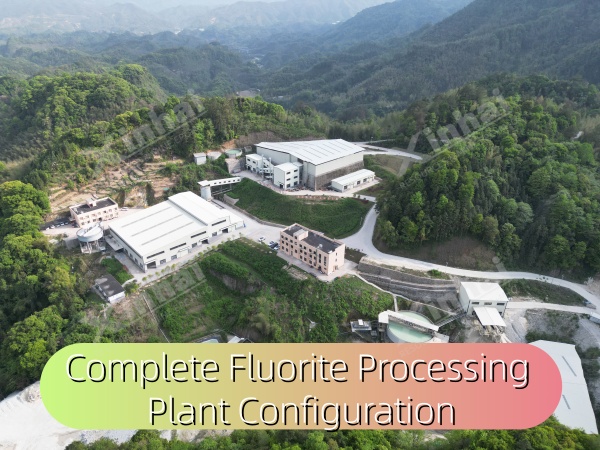
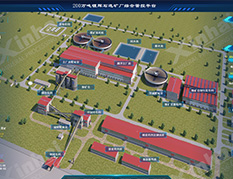
Are you in the fluorite processing business and facing typical challenges? Low concentrate grade, excessive silica, and impurities directly lower your selling price. Many operators also struggle with proper process design and equipment selection, risking improper layout and wasted investment. Setting up a fluorite concentrator may look simple, but it requires careful planning for process arrangement, equipment matching, stable grade control, and cost management. This article shares the complete fluorite processing flow, standard equipment selection, and core technical solutions, helping you adopt mature schemes and avoid unnecessary detours.
2026-05-14 XinHai (views 481)
The overall technical route for fluorite processing is unified for both large and small concentrators, following four core procedures:
Crushing & Screening → Grinding & Classification → Flotation Separation → Thickening, Dewatering & Tailings Disposal
Every procedure determines the final concentrate grade and production cost, all of which are indispensable.
1.1 Crushing & Screening
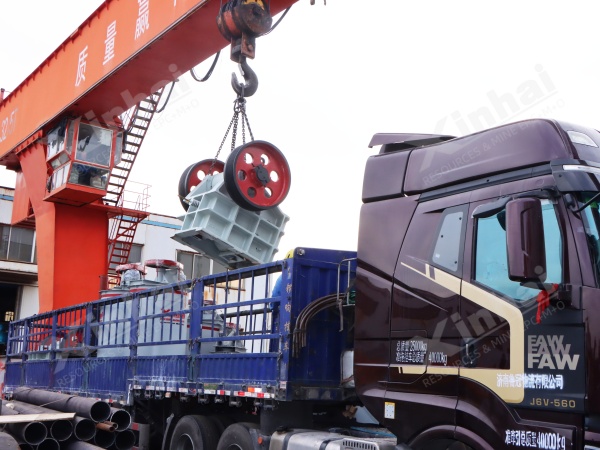
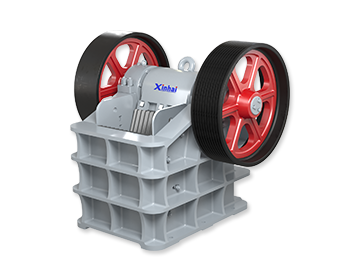
Run-of-mine ore is firstly coarsely crushed by a jaw crusher to 5–20 cm, then processed via secondary or tertiary crushing with a cone crusher to a final particle size of 0.8–2 cm, meeting the feed size requirement for grinding operations.
Screening equipment is selected according to ore characteristics:
Ore with 5%–10% mud content and moisture above 5%–8%: Adopt a drum screen with additional ore washing operation.
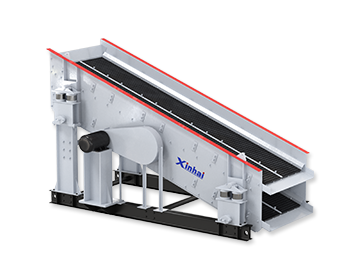
Ore with low mud and moisture content: Adopt a circular vibrating screen for higher efficiency and lower investment.
1.2 Grinding & Classification
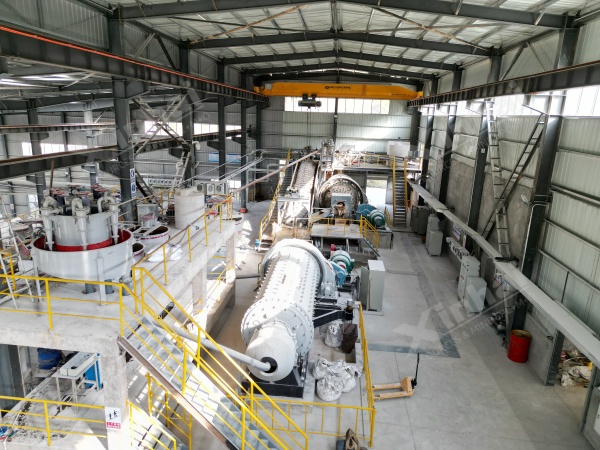
Grinding fineness directly affects flotation indicators, with two mainstream solutions:
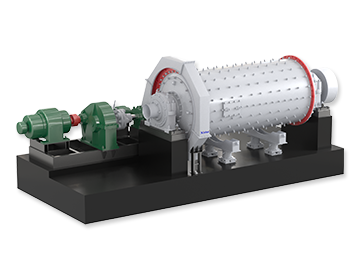
Single-stage grinding: Simple flow, fewer pieces of equipment, and lower investment, ideal for small-scale plants. The particle size is controlled at 0.15–0.2 mm (60%~79% -200 mesh).
Two-stage grinding: Suitable for medium and large plants requiring high fineness (80% -200 mesh). It delivers uniform particle size, reduces over-grinding, and ensures stable flotation performance.
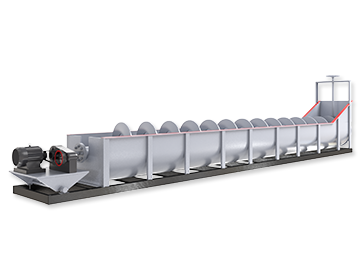
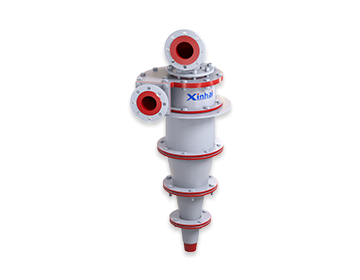
A spiral classifier or a hydrocyclone is adopted for classification. Coarse particles are returned to the grinding circuit for regrinding, while fine particles are delivered to flotation to guarantee separation efficiency.
1.3 Flotation Separation
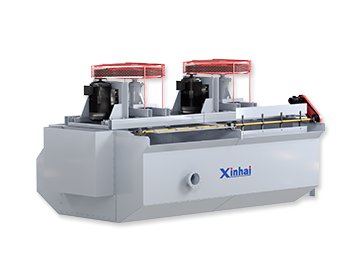
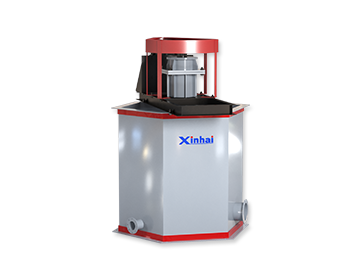
Fluorite is an easily floatable mineral. Separation is realized by utilizing floatability differences and flotation reagents. The process generally adopts roughing, scavenging, and multiple cleaning stages — at least three cleaning operations — to ensure the CaF₂ concentrate grade exceeds 97%.
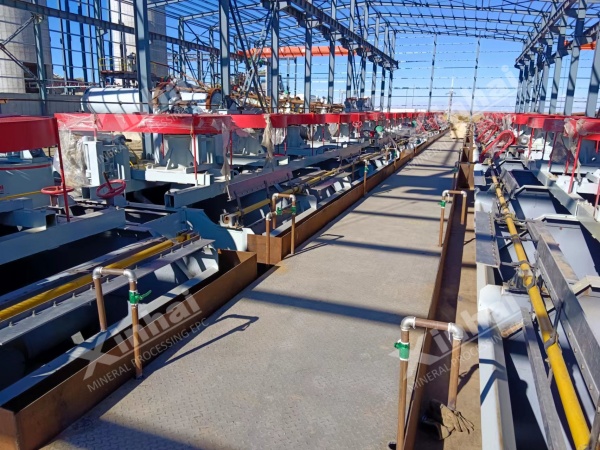
Four Key Separation Technologies to Solve Impurity Removal Problems
Fluorite & Calcite Separation: Oleic acid serves as a collector for fluorite; water glass and sodium hexametaphosphate inhibit calcite, with aluminum salts applied to strengthen the inhibition effect.
Fluorite & Quartz (Silicon) Separation: Fatty acid collectors capture fluorite; water glass inhibits quartz. The pulp pH is adjusted to 8–9. Fe³⁺ and Al³⁺ are added to enhance quartz inhibition and stabilize silicon removal.
Fluorite & Barite Separation: Adopt bulk flotation first, then use dextrin/tannin combined with iron salts to inhibit barite while floating fluorite with oleic acid. Alternatively, float barite first, leaving high-grade fluorite in the tank underflow.
Fluorite & Sulfide Ore Separation: Use xanthate collectors to float sulfide ores first, then apply fatty acid collectors for fluorite flotation. A small amount of sulfide inhibitor is added to eliminate residual interference.
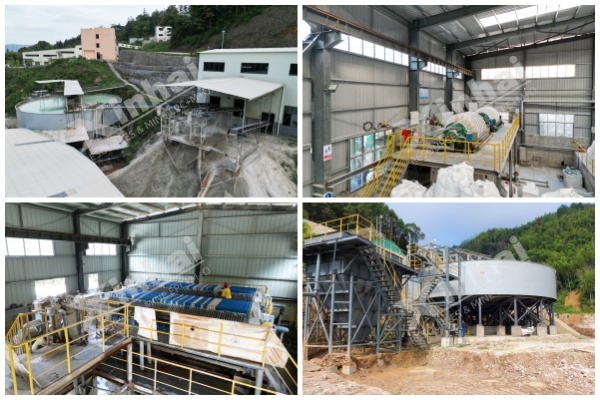
1.4 Thickening, Dewatering & Tailings Disposal
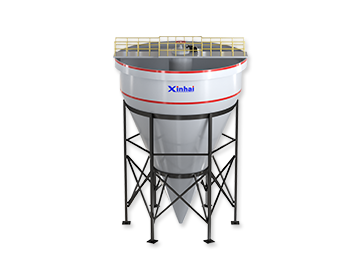
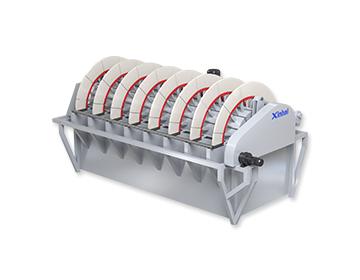
Fluorite flotation concentrate is firstly settled in a thickener, then further dewatered by vacuum filter, filter press or centrifugal filter to meet commercial moisture standards. High-grade concentrate can be further dried to a moisture level below 0.5% for high-end applications such as hydrofluoric acid production.
After thickening and dewatering, tailings can be used as building materials and mine backfill aggregates. Combined with gravity separation and magnetic separation, valuable minerals can be recovered, achieving environmental protection and economic benefits simultaneously.
Standard equipment matching for a full-set fluorite processing plant:
Crushing: Jaw Crusher, Cone Crusher
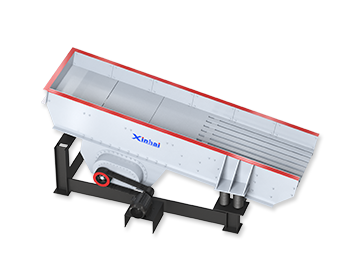
Screening: Circular Vibrating Screen / Drum Screen
Grinding: Ball Mill
Classification: Spiral Classifier / Hydrocyclone
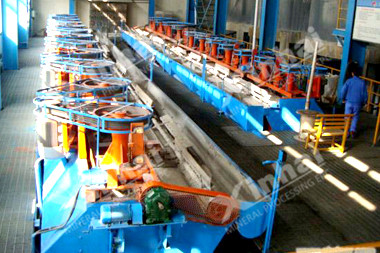
Flotation: Flotation Machine
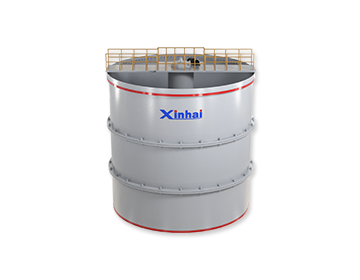
Dewatering: Thickener, Filter Equipment
Tailings: Tailings Disposal & Recovery Equipment
Excessive equipment purchase is unnecessary; optimal matching with ore properties saves investment costs effectively.
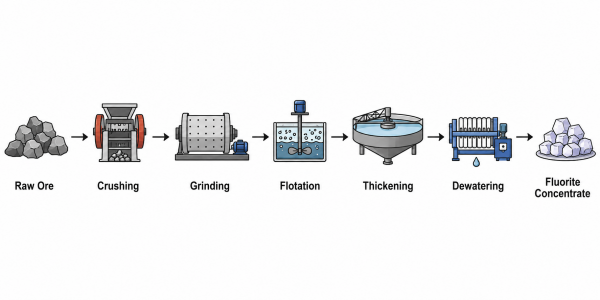
Fluorite deposits feature great differences in associated minerals. Quartz, calcite, barite, and sulfide ores will all affect the process design.
It is essential to conduct a mineral processing test before finalizing the process flow and equipment configuration, so as to avoid substandard indicators and rework losses after plant commissioning.
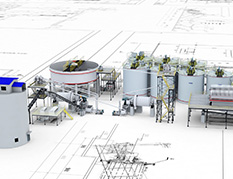
With Grade B Design Qualification in China’s Metallurgical Industry, Xinhai provides integrated services including mineral testing, process design, equipment manufacturing, installation, commissioning, and operational management.
Xinhai is capable of designing compliance with Chinese Standards, Australia JORC Code, Valmin Code, and Canada NI 43-101 Standards.
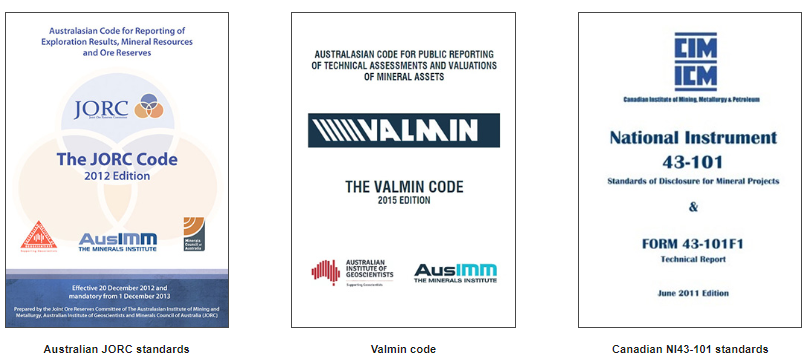
We never adopt generic process templates. Customized flotation upgrading and silicon/impurity removal solutions are formulated according to your ore type, associated impurities, production capacity requirements, and investment budget, ensuring a qualified concentrate grade, low operating cost, and fast return on investment.
The core of professional fluorite processing is threefold: rational process flow, matched equipment, and precise impurity removal & grade upgrading. Stabilize crushing and grinding, optimize flotation reagents, properly handle dewatering and tailings, and conduct pre-plant mineral processing tests — you can then steadily produce high-grade fluorite concentrate, secure good prices, and avoid detours and wasted investment.
A well-chosen process beats blind repeated investment; proper equipment configuration is better than inefficient trials. If you own fluorite ore and face issues like low grade, excessive silicon, difficult impurity removal, or confusion in process/equipment selection, contact Xinhai.
We offer professional ore analysis, process suggestions, solution planning, and cost estimation. With rich experience, we help you optimize processing efficiency, complete plant construction, and stabilize benefits. Choose Xinhai for one-stop, reliable fluorite processing solutions.
In mineral processing plant construction, steel structure buildings have become the industry’s widely recognized mainstream choice. Compared with traditional reinforced concrete structures, steel structures offer significant advantages in construction speed, overall cost control, on-site construction complexity, and future expansion or relocation. This is especially evident in regions such as Africa, where steel structure plants have effectively become the standard configuration. Whether building a new concentrator or expanding an existing facility, most mining companies prioritize steel structures to achieve faster commissioning, better cost control, and smoother project delivery.
For mining investors evaluating opportunities in copper beneficiation, Zambia remains a premier destination. The country offers a world-class copper belt, a stable mining policy framework, and well-established logistics. This practical guide and case study overview outline the strategic advantages and implementation steps for developing a copper concentrator plant in Zambia.





 Whatsapp:+8613811510145
  xhmineral@xinhaimining.com
  Online Inquiry

 Get Quote
 Online Inquiry
 Leave Message
 Send Email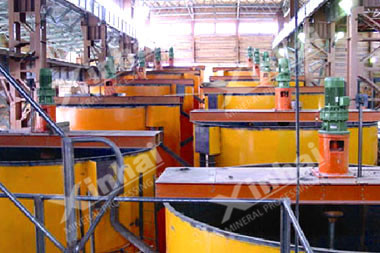

 Consult
 Message
 Email
Email
 Whatsapp
