 Whatsapp:+8613811510145
 xhmineral@xinhaimining.com

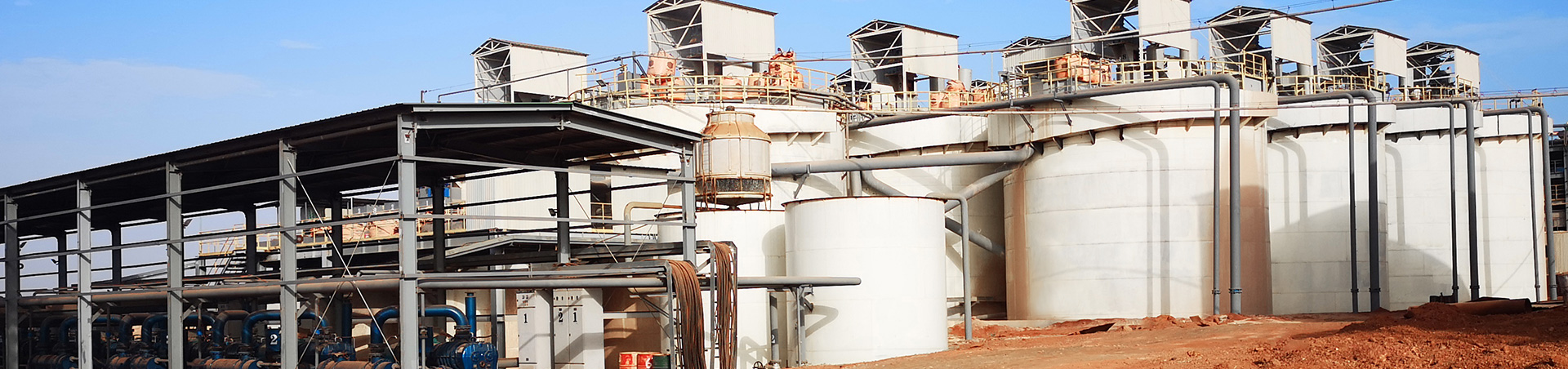
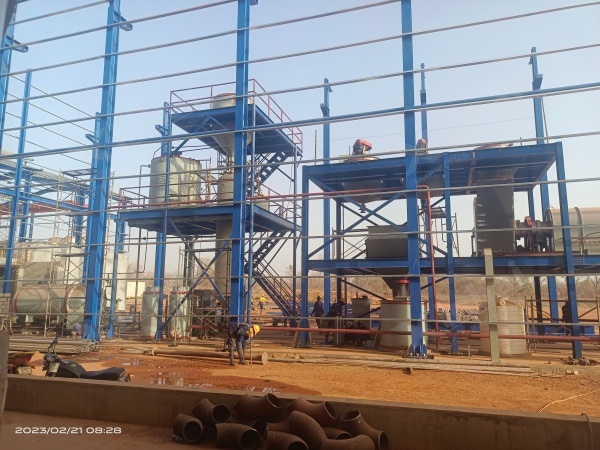
In mineral processing plant construction, steel structure buildings have become the industry’s widely recognized mainstream choice. Compared with traditional reinforced concrete structures, steel structures offer significant advantages in construction speed, overall cost control, on-site construction complexity, and future expansion or relocation. This is especially evident in regions such as Africa, where steel structure plants have effectively become the standard configuration. Whether building a new concentrator or expanding an existing facility, most mining companies prioritize steel structures to achieve faster commissioning, better cost control, and smoother project delivery.
2026-04-29 XinHai (views 615)
In simple terms, a steel structure plant is a building system that uses steel as its primary load-bearing material. It typically includes steel columns, steel beams, operating platforms, cladding panels, and various auxiliary structures.
These structures are mainly applied in key areas such as the main processing plant, equipment installation zones, and operating platforms, forming the foundational infrastructure that ensures stable operation of the entire mineral processing line.
2.1 Shorter Construction Period: Prefabrication + On-Site Assembly
All steel components are prefabricated in the factory, with surface treatment (rust removal and painting) completed in advance. Once delivered to the site, installation only requires lifting, positioning, and bolting.
This significantly reduces wet trades and on-site workload.
For projects aiming for rapid commissioning, steel structures can substantially shorten the overall schedule and accelerate return on investment. With only the concrete foundation completed upfront, the structural stability of the entire system is ensured.
2.2 Lower Overall Cost, Especially in High-Cost Regions
In regions such as Africa, concrete materials are expensive, skilled labor is limited, and cast-in-place construction is challenging.
Steel structures significantly reduce on-site labor requirements and concrete consumption, while also lowering construction difficulty.
Overall, this results in better cost control and a higher cost-performance ratio. Routine maintenance mainly involves periodic anti-corrosion treatment, which is standard practice.
2.3 Lightweight with High Strength: Reliable Seismic and Wind Resistance
Steel structures have a high strength-to-weight ratio, making them lighter while maintaining excellent structural performance. This enhances their resistance to seismic forces and wind loads, ensuring safer and more reliable operation.
2.4 Standardized Modular Design with Full Bolted Connections
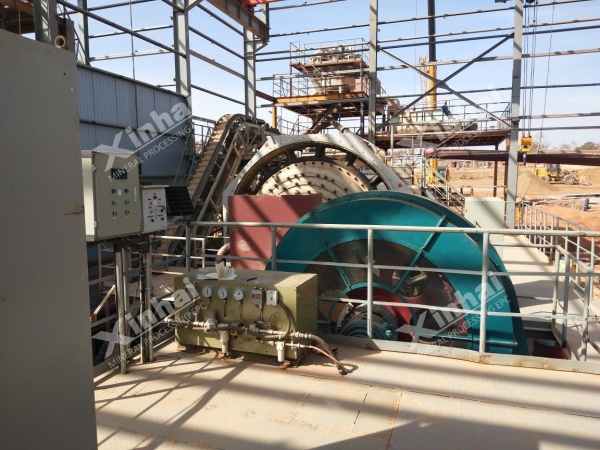
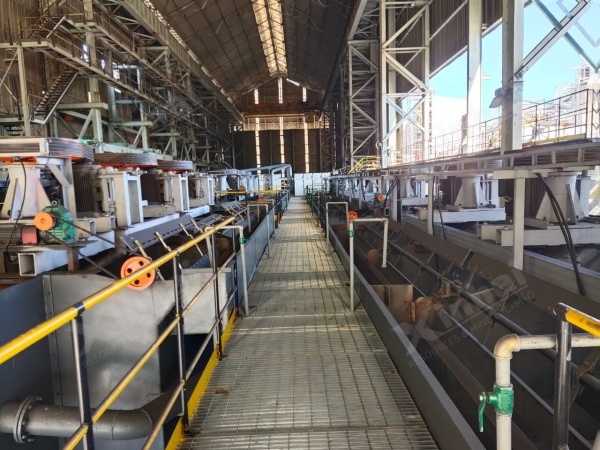
For commonly used sections in mineral processing plants—such as flotation platforms, desorption-electrowinning (DEW) systems, and thickener support structures—we adopt standardized modular designs.
All modules use bolted connections, minimizing the need for on-site welding. This reduces specialized operations, improves installation speed, and ensures consistent quality.
For future relocation or expansion, the steel structure can be dismantled, transported, and reused, offering exceptional flexibility.
2.5 BIM 3D Design: Higher Accuracy, Less Rework
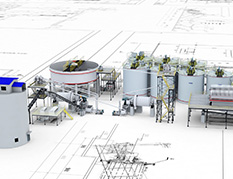
All steel structure projects are developed using BIM-based 3D modeling. We build the model first, then generate drawings, and perform clash detection in advance.
This effectively avoids issues such as design conflicts, omissions, or errors, reducing costly rework.
At the same time, material quantities can be calculated accurately—preventing both over-purchasing and shortages—leading to more efficient procurement and tighter cost control.
The 3D model is also intuitive and can directly guide fabrication and on-site installation, ensuring seamless coordination between design and construction.
| Structure | Cost | Construction Period | Service Life | Suitable For |
|---|---|---|---|---|
| Steel Structure | Lower | Fast | About 10 years | Overseas, fast delivery, modular plants |
| Concrete Structure | Higher | Slow | About 20 years | High fireproof, fixed workshops |
Confirm mineral processing parameters and define design requirements
Develop a BIM 3D model and complete construction drawings
Prefabricate steel components in a factory
Transport components to the project site
Construct foundations and embedded parts
Perform lifting, assembly, and bolted connections
Final inspection and commissioning
In South Africa, high labor costs, expensive concrete, and challenging site conditions make traditional concrete plants costly, time-consuming, and difficult to execute.
In this 3,000 t/d chrome ore flotation project, Xinhai adopted a full steel structure plant combined with modular operating platforms.
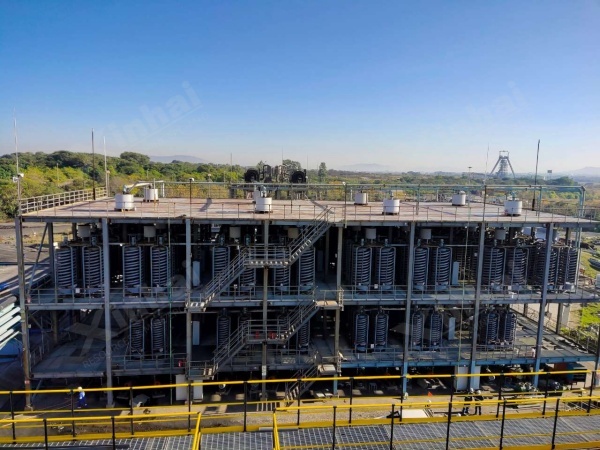
The project utilized BIM 3D modeling throughout to identify and resolve construction conflicts in advance. Steel components were prefabricated in the factory and assembled on-site using full bolted connections, enabling rapid installation.
The flotation workshop and equipment platforms were all designed using standardized modular steel structures, resulting in a well-organized layout and easy maintenance.
After completion, the project achieved controlled costs, stable structural performance, and full adaptability to local conditions—earning high recognition from the client.
Q: Are steel structures suitable for all mineral processing plants?
A: They are suitable for the vast majority of plants. Only areas with extremely high fire protection requirements or severe corrosion may require partial use of concrete structures.
Q: Can steel structures be reused after dismantling?
A: Yes. Modular steel structures connected by bolts can be dismantled, transported, and reused with a high utilization rate.
Q: What are the benefits of BIM 3D design?
A: It enables 3D modeling, clash detection, accurate material estimation, reduced rework, and direct guidance for fabrication and installation.
Steel structure plants are widely adopted in mineral processing due to their fast construction, controllable costs, high level of modularization, and efficient bolted assembly—further enhanced by the precision of BIM design.
If you are planning a mineral processing plant and require steel structure design, construction, or full EPC services, feel free to contact us. We provide professional, practical, and fully customized solutions tailored to your project needs.
Article Summary: A mineral processing laboratory provides key testing, analysis and research services for mining projects. It conducts various tests like sample preparation, grindability, gravity separation, flotation and leaching, with clear procedures to ensure data accuracy. Its test reports include ore composition, optimal grinding size, beneficiation flowsheets and recovery rates, providing strong support for project design, equipment selection and cost control, reducing investment risks. Xinhai’s CNAS-certified laboratory offers professional tests for various minerals, with formal reports and customized solutions, helping mining projects achieve stable, efficient operation.
Are you in the fluorite processing business and facing typical challenges? Low concentrate grade, excessive silica, and impurities directly lower your selling price. Many operators also struggle with proper process design and equipment selection, risking improper layout and wasted investment. Setting up a fluorite concentrator may look simple, but it requires careful planning for process arrangement, equipment matching, stable grade control, and cost management. This article shares the complete fluorite processing flow, standard equipment selection, and core technical solutions, helping you adopt mature schemes and avoid unnecessary detours.







 Whatsapp:+8613811510145
  xhmineral@xinhaimining.com
  Online Inquiry

 Get Quote
 Online Inquiry
 Leave Message
 Send Email

 Consult
 Message
 Email
Email
 Whatsapp
