 Whatsapp:+8613811510145
 xhmineral@xinhaimining.com

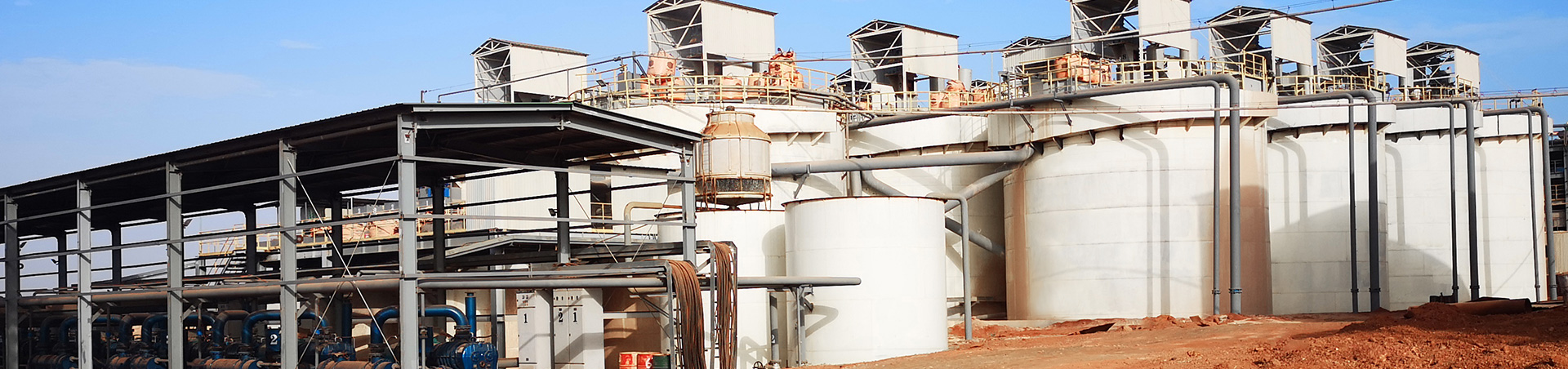
For mining investors evaluating opportunities in copper beneficiation, Zambia remains a premier destination. The country offers a world-class copper belt, a stable mining policy framework, and well-established logistics. This practical guide and case study overview outline the strategic advantages and implementation steps for developing a copper concentrator plant in Zambia.
2026-06-18 XinHai (views 330)
Located in south-central Africa, Zambia is a highly mature hub for copper mining investment. It represents a core market with a well-developed mining ecosystem and distinct operational advantages:
Streamlined Business Communication: English is the official language. Corporate registration, regulatory audits, and commercial negotiations follow clear, internationally understood protocols.
Established Infrastructure: Compared to other regions in Africa, Zambia's Copperbelt Province offers a reliable supply chain, specialized construction services, and developed power and water infrastructure. The high density of active operations provides a wealth of local benchmarks.
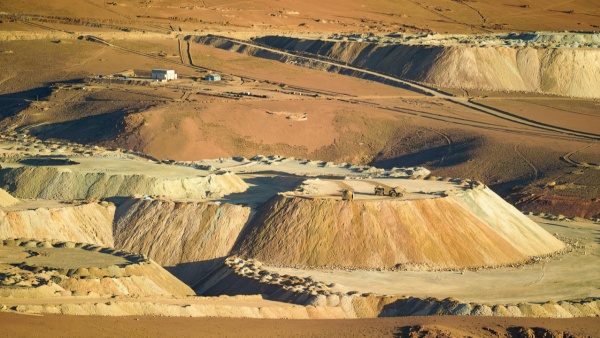
Metallurgically Stable Ore: The region’s copper deposits are highly homogeneous, dominated by primary copper sulfides. This uniform ore mineralogy ensures consistent metallurgy and high flotation recovery rates, making it simpler to fast-track new concentrator projects or replicate existing plant designs.
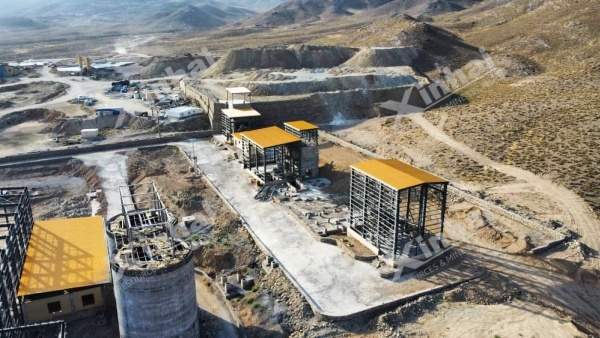
As Africa's second-largest copper producer, Zambia sits atop a world-class metallogenic belt. According to data from the International Copper Study Group (ICSG) and the Zambia Ministry of Mines, the country remains one of the world's most important sources of copper and cobalt production. Its copper deposits are typically shallow and amenable to low-cost mining methods. Furthermore, many deposits contain valuable associated metals like cobalt and silver, which significantly enhance the overall economic returns of a project.
The regulatory environment is shifting significantly. The Zambian government has progressively restricted the export of raw, unprocessed ore to drive domestic downstream processing. This policy makes localized beneficiation essential; establishing a copper processing plant is now the primary pathway to project viability. Utilizing standard flotation processes to produce high-grade copper concentrate allows operators to capture far greater profit margins, whether selling to domestic smelters or exporting to global markets.
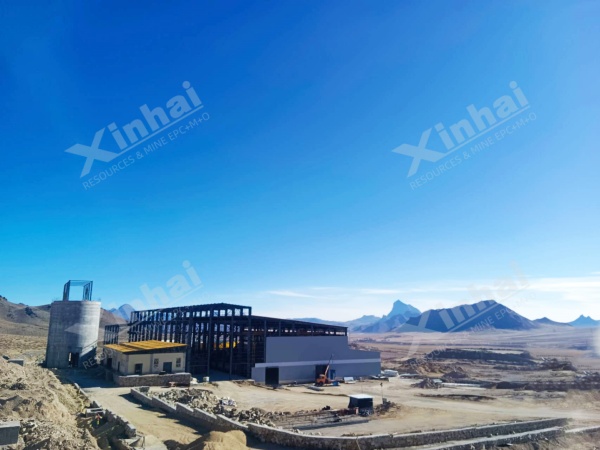
Mining operations currently navigate the Minerals Regulation Commission Act of 2024, which replaced older legislation to establish a more transparent regulatory framework for foreign direct investment. Securing compliance for a copper processing facility requires meeting four core criteria:
Corporate Structuring: Mineral rights and processing licenses are granted exclusively to companies incorporated in Zambia. Foreign entities must establish a local subsidiary before applying for licenses or starting construction.
Tenure and Social License: Large-scale mining licenses offer long-term tenure with predictable renewal pathways. However, operators must fulfill their baseline infrastructure commitments and corporate social responsibility (CSR) obligations to maintain regulatory standing.
Environmental Permitting: Environmental Impact Assessment (EIA) workflows are structured by project scale. Small-to-medium flotation projects benefit from expedited review timelines, while large-scale concentrators require a comprehensive EIA clearance before breaking ground.
Fiscal Incentives: Zambia utilizes a tiered mineral royalty tax system. Projects located within Multi-Facility Economic Zones (MFEZs) or Special Economic Zones (SEZs) can qualify for substantial corporate income tax holidays and import duty exemptions on capital equipment, allowing for optimized project economics.
Step 1: Secure Mining Rights
Before developing a concentrator plant, investors must obtain valid mining rights or secure a long-term ore supply agreement.
Step 2: Register a Zambian Entity
Foreign investors are required to establish a locally incorporated company before applying for processing licenses and project approvals.
Step 3: Conduct Metallurgical Testing
Laboratory and pilot-scale beneficiation tests determine the optimal flowsheet, expected recovery rate, concentrate grade, and equipment configuration.
Step 4: Complete Environmental and Regulatory Approvals
Depending on project scale, developers must obtain Environmental Impact Assessment (EIA) approval and other regulatory permits before construction begins.
Step 5: Finalize Process Design and Equipment Selection
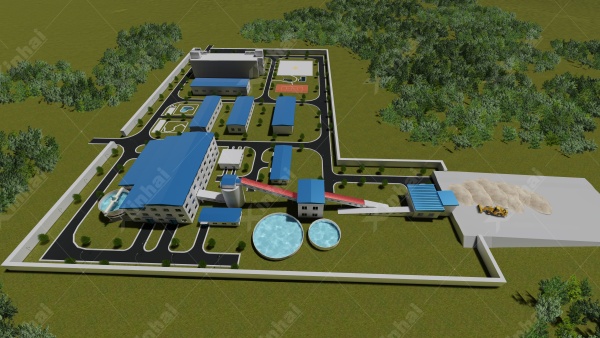
Engineering teams prepare the process flowsheet, plant layout, utility systems, and equipment specifications based on test results and production targets.
Step 6: Procure Equipment and Construct the Plant
Equipment manufacturing, logistics, civil works, installation, and automation integration are completed according to the project schedule.
Step 7: Commission and Ramp Up Production
The plant undergoes commissioning, process optimization, and operator training before reaching stable commercial production.
The following three projects illustrate how custom service models address different production scales and operational needs in Zambia.
Case 1: 3.5 Million t/a Copper Flotation Project (Equipment Package Delivery)
Designed for a large-scale mining asset, this project required highly reliable, high-capacity equipment. The client engaged Xinhai Mining specifically for the engineering and manufacturing of heavy-duty flotation cells and automated control systems.
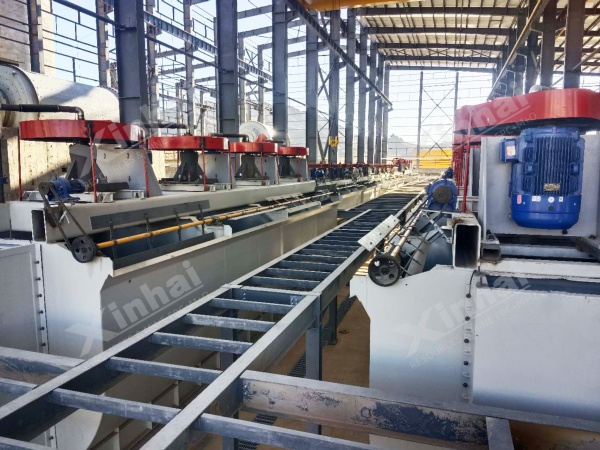
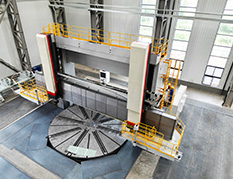
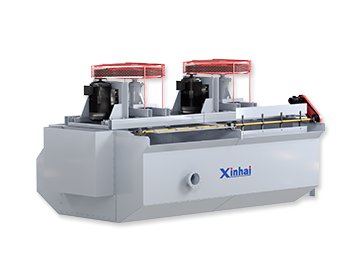
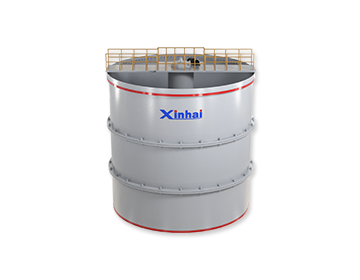
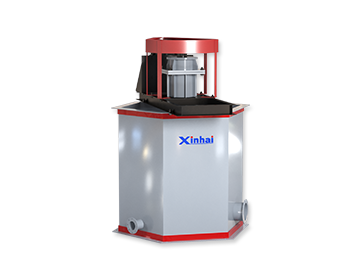
Core Equipment Supplied: 2× φ6500×6500 mm high-intensity agitation tanks, 17× KYFⅡ-130 large-scale flotation machines, 3× XCF-40 flotation machines, and 4× KYF-40 flotation machines.
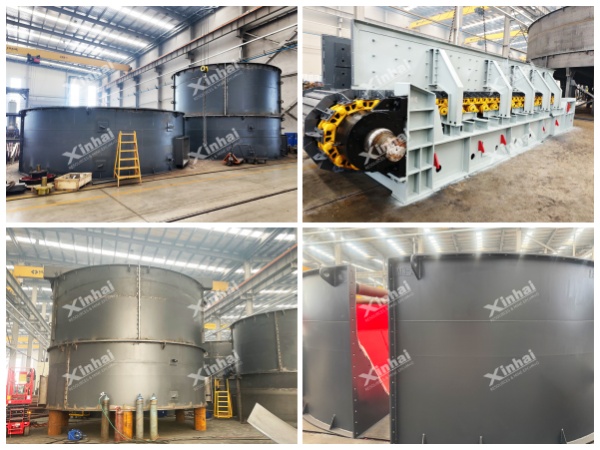
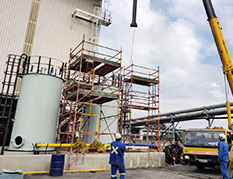
Project Execution: The complete package went from final design verification through manufacturing and quality control within a four-month window. The equipment shipped in January 2026. Specialized field engineers managed the onsite installation over a 30-day schedule, ensuring precise alignment and mechanical stability.
Case 2: 1,000 tpd Copper Concentrator Plant (Full-Process Engineering & Supply)
This mid-tier project treats 1,000 tons of run-of-mine (ROM) ore per day. Following the client’s independent metallurgical testing, Xinhai took charge of the remaining development phases: plant engineering, equipment customization, site installation supervision, system commissioning, and plant automation.
Project Status: Contract terms were finalized in May 2026. Equipment delivery is scheduled for late July 2026. The flotation circuit is engineered specifically for Zambian primary sulfide ore characteristics to ensure stable mass pulls and target concentrate grades from commissioning.
Case 3: 300 tpd Copper Flotation Plant (Modular EPC Solution)
A fast-track project tailored for junior mining investors. This project utilized an efficient, standard flowsheet to lower capital expenditure and accelerate initial cash flow.
Process Flowsheet: Two-stage, one-closed-circuit crushing → Single-stage closed-circuit grinding → Flotation circuit (1 rougher, 3 scavenger, 2 cleaner stages) → Concentrator dewatering via thickening and press filtration.
Key Equipment Configuration:
| Process Stage | Equipment Description | Model / Specification |
|---|---|---|
| Crushing & Screening | Steel ROM Bin | Custom Steel Fabrication |
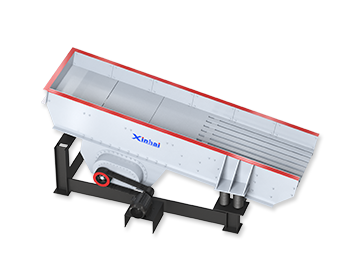
| Chute Feeder | Standard Matched Customization | |
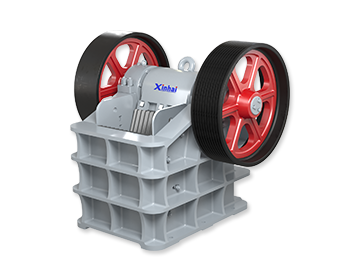
| Primary Jaw Crusher | PE-400×600 | |
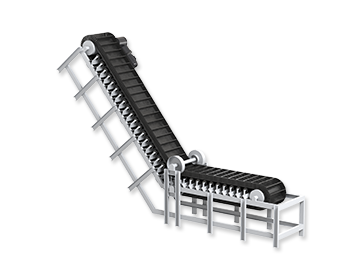
| No. 1 Belt Conveyor | Standard Configuration | |
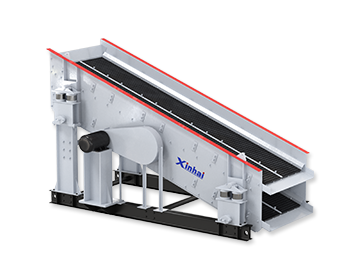
| Self-Centering Vibrating Screen | 2SZZ1225 | |
| No. 2 Belt Conveyor | Standard Configuration | |
| Secondary Jaw Crusher | PEX-250×1200 | |
| No. 3 Belt Conveyor | Standard Configuration | |
| Steel Fine Ore Bin | Custom Steel Fabrication | |
| Grinding & Classification | Pendulum Feeder | Standard Matched Customization |
| No. 4 Belt Conveyor | Standard Configuration | |
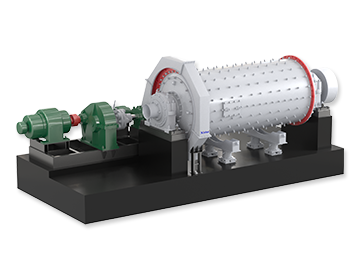
| Grate Ball Mill | MQGg-2136 | |
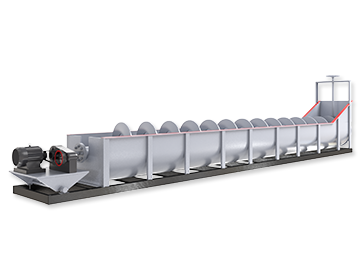
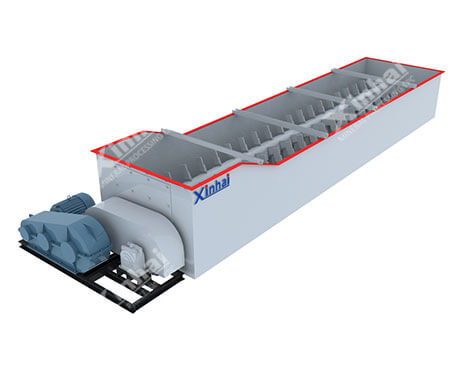
| Spiral Classifier | FLG-2000 | |
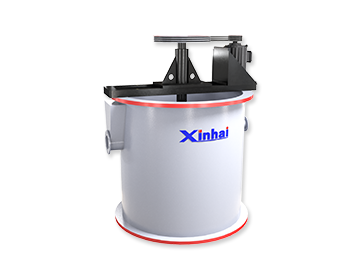
| Flotation Separation | Slurry Agitation Tank | Standard Matched Customization |
| Flotation Machine | SF-2.8 (12 units) | |
| Flotation Machine | SF-2.0 (4 units) | |
| Concentrate Delivery Pump | Standard Matched Customization | |
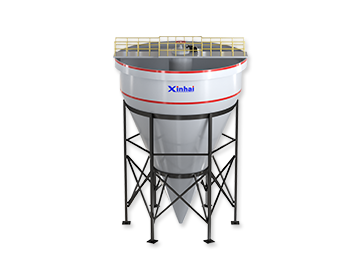
| Concentrate Dewatering | Thickener | Standard Matched Customization |
| Slurry Transfer Pump | Standard Matched Customization | |
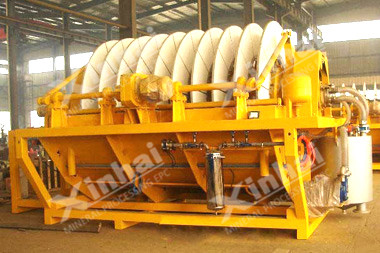
| Filter Press | Standard Matched Customization | |
| Tailings Management | Tailings Disposal Pipeline | Gravity Flow System (Standard) |
How much does a copper processing plant cost in Zambia?
| Project Scale | Daily Throughput (ROM) | Estimated CAPEX Range (USD) | Common Investor Profile |
| Small-Scale / Fast-Track | 100 to 300 tons per day (tpd) | $1.5 Million – $3.5 Million | Junior mining companies, local private investors, or piloting operations. |
| Medium-Scale Concentrator | 500 to 1,500 tons per day (tpd) | $6.0 Million – $15.0 Million | Mid-tier international mining firms establishing regional hubs. |
| Large-Scale / Industrial | 3,000+ tpd (e.g., 1M+ t/a) | $35.0 Million – $100+ Million | Major multinational corporations or joint ventures with extensive copper concessions. |
How long does it take to obtain mining permits in Zambia?
The official processing time for the Ministry of Mines and Mineral Development to issue a Mining License in Zambia is 90 days from the date a complete application is received.
However, you should view this 90-day window as the final administrative layer within a broader timeline. In practice, the total end-to-end timeline required to break ground on a new mining project legally typically spans 6 to 12 months.
Our capabilities bridge the entire project lifecycle—including metallurgical testing, plant engineering, equipment manufacturing, automation integration, and field commissioning support. By leveraging deep localized experience, we help investors mitigate overseas execution risks to bring Zambian copper assets online safely and efficiently.
Are you in the fluorite processing business and facing typical challenges? Low concentrate grade, excessive silica, and impurities directly lower your selling price. Many operators also struggle with proper process design and equipment selection, risking improper layout and wasted investment. Setting up a fluorite concentrator may look simple, but it requires careful planning for process arrangement, equipment matching, stable grade control, and cost management. This article shares the complete fluorite processing flow, standard equipment selection, and core technical solutions, helping you adopt mature schemes and avoid unnecessary detours.







 Whatsapp:+8613811510145
  xhmineral@xinhaimining.com
  Online Inquiry

 Get Quote
 Online Inquiry
 Leave Message
 Send Email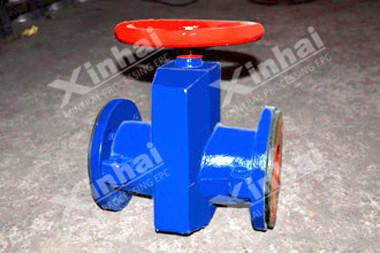

 Consult
 Message
 Email
Email
 Whatsapp
