 Whatsapp:+8613811510145
 xhmineral@xinhaimining.com

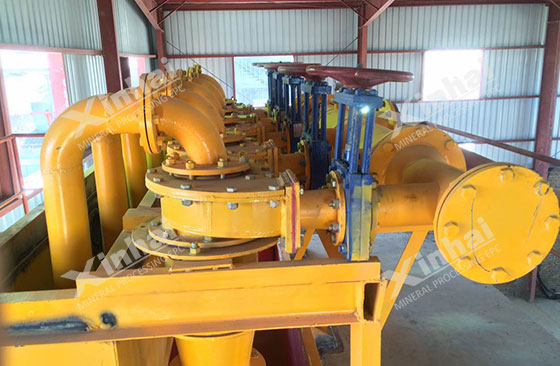
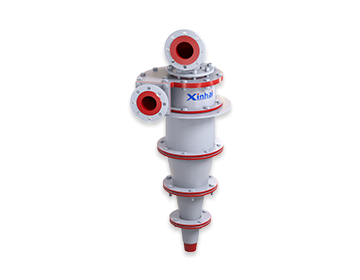
In the field of mineral processing, hydrocyclone, as an efficient classification and separation equipment, has been widely used in many links such as mineral classification, mud removal, dehydration and tailings treatment. Its efficient and compact structural design makes it play an irreplaceable role in the mineral processing process. With the continuous development of mining technology, the performance optimization and technological innovation of hydrocyclone have also become a research hotspot. This article will introduce hydrocyclone from the working principle, structure and application field.
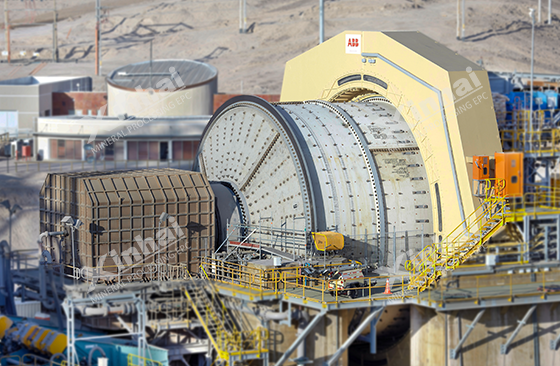
As an efficient and cost-effective method for gold extraction, gold heap leaching technology is widely used in the beneficiation process of low-grade gold mines. However, with the development and utilization of high-grade gold ore, the grade of existed gold mines decreases and its components are complex. Therefore, gold heap leaching efficiency faces many challenges at present. The followings will explains the key technologies for for improving the efficiency of gold heap leaching from the aspects: ore pretreatment, leaching agent optimization, process control and environmental management, and explores how to optimize gold heap leaching technology while reducing the risks of environmental pollution. It will provide a reference for the sustainable development of gold heap leaching technology.
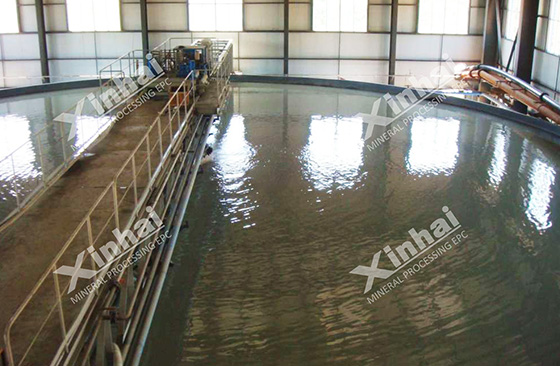
The proper optimization and maintenance of thickener machine is key to ensure its efficient and stable operation. Meanwhile, design optimization and reasonable operating management can improve the processing capability and separation efficiency of thickener machine, reduce operation and maintenance costs of the machine. This article will introduce how to optimize and maintain thickener machine from three aspects: adjustment of operating parameters, machine maintenance and troubleshooting, and application of automation control systems.
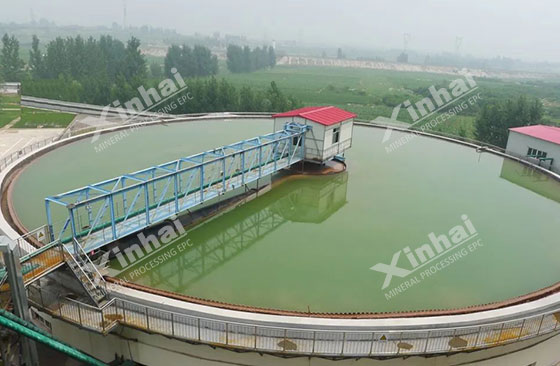
The application of thickener machine in mineral processing plants is mainly concentrated in three parts: tailings thickening, concentrate dehydration and water recycling. Among them, tailings thickening is the core application of thickeners. It mainly realizes solid-liquid separation through gravity and flocculant action, and reduces the accumulation volume of tailings ponds, the construction and operation costs of tailings ponds. Thickeners can increase the concentration of slurry in concentrate dehydration, provide high-quality raw materials for subsequent filtration and drying processes, and thus improve the quality of concentrates. The recycling of water in the mineral processing process is inseparable from the role of thickeners, and its overflow clarified liquid can be recycled to reduce water waste and improve resource utilization. The following article will give you a detailed introduction to the application of thickeners in these three aspects to help you understand the importance of thickeners in environmental protection and resource conservation.
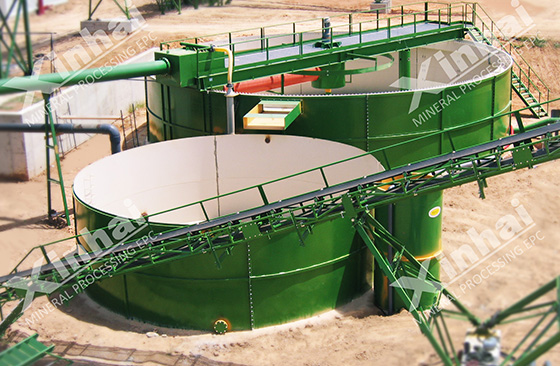
Thickener is an important solid-liquid separation equipment in modern ore dressing plants. It is widely used in tailings thickening, concentrate dehydration and water recycling processes. The high dehydration efficiency of thickener can recycle and utilize the resources, and at the same time improve the production efficiency of the ore dressing plant, so as to control production costs and protect the environment. The following will introduce the working principle of thickener and the application of different types of thickener in ore dressing plants, so as to help you choose the appropriate thickener equipment according to your needs.
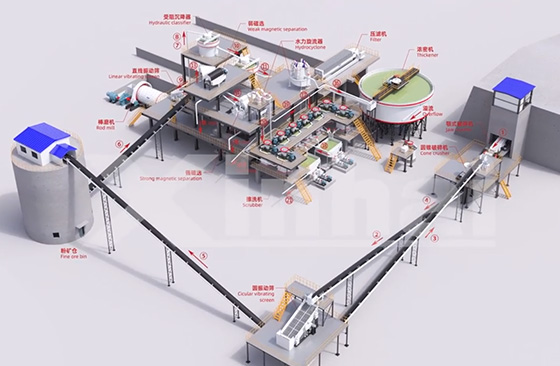
Quartz ore is an important non-metallic mineral. It is primarily composed of silicon dioxide (SiO₂). High-purity quartz is a key raw material in industries like glass, ceramics, photovoltaics, and semiconductors and so on. Natural quartz ore often contains impurities such as iron, aluminum, mica, and feldspar, these impurities affect quality and usability of quartz sand. Mineral processing is essential technology to purify quartz ore. The selection and efficiency of quartz sand mineral processing equipment directly impact purification results and product costs. This article will introduce the types and selection of quartz ore processing equipment.
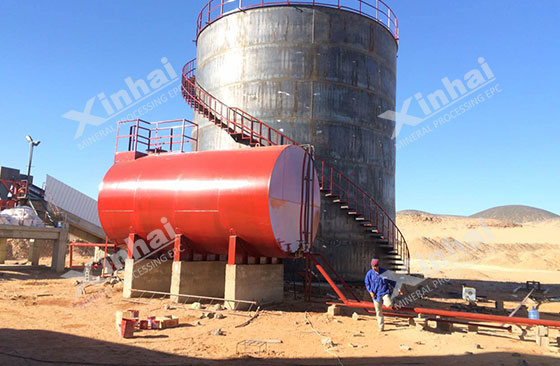
Gold leaching is an important part of gold smelting, among which CIP (carbon-in-pulp), CIL (carbon-in-leach) and heap leaching are the three most widely used processes. They are suitable for different types of gold ores and have different economic and environmental impacts. This article will analyze these three gold leaching methods in detail and explore their process optimization and development trends.
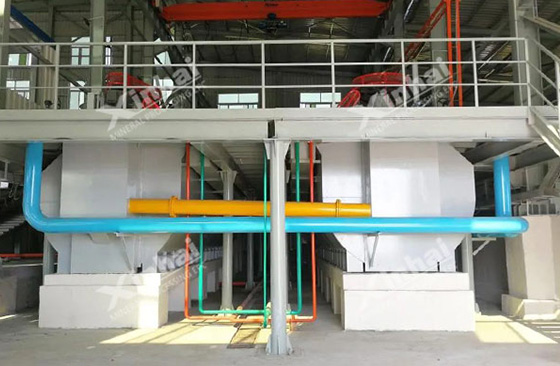
Copper is one of the most widely used metals in the world. It is widely used in fields such as electrical and industrial machinery. The extraction of copper is a complex process involving multiple stages from mining to refining. Among them, the flotation process plays an important role in the extraction of copper metal from copper ore. Flotation is widely used in the treatment of various ores. It mainly relies on the difference in the properties of the mineral surface to selectively recover valuable copper-containing minerals while removing gangue minerals. This article will introduce the flotation process of different copper ores to help you understand the flotation process of copper ores.
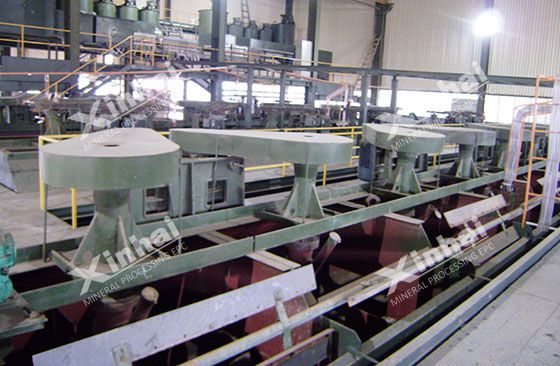
Lead-zinc ore is an important non-ferrous metal resource with a wide range of uses. At present, most of the lead and zinc are obtained through the separation of lead-zinc sulfide ore. However, with the development and utilization of resources, the easy-to-sort lead-zinc sulfide resources are gradually depleted, and the mining of lead-zinc oxide ore has gradually been paid more attention.
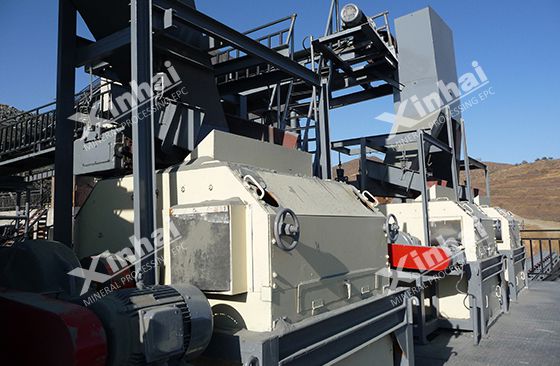
The iron ore tailings in China have characteristics such as low grade, small particle size, fine grain size of iron-containing mineral intercalation, complex symbiosis, easy to slime, etc. It causes difficulties to iron tailings re-processing. Under the condition of increasing shortage of iron resources and increasing dependence on foreign countries, it is especially important in strengthening iron tailings re-processing.





 Whatsapp:+8613811510145
  xhmineral@xinhaimining.com
  Online Inquiry

 Consult
 Message
 Email
Email
 Whatsapp
