 Whatsapp:+8613811510145
 xhmineral@xinhaimining.com

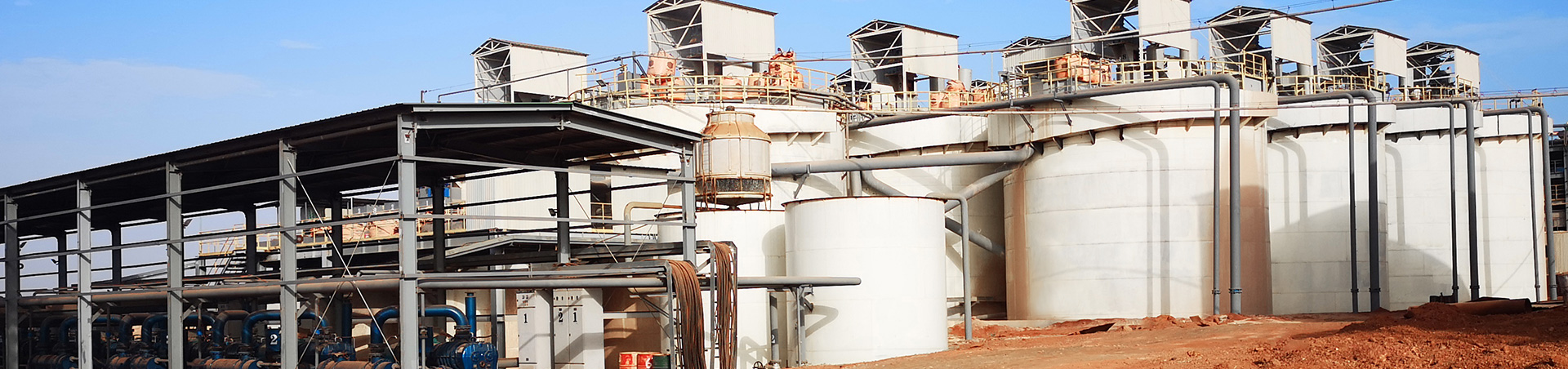

Copper and molybdenum are accompanying minerals. Almost over 20 percent molybdenum is recovered from copper and molybdenum. Copper and molybdenum ore, which are mainly copper ore, is existed as porphyry copper with high recovery value and low grade of molybdenum (0.01~0.1%). Copper in copper and molybdenum is existed mainly as CuFeS2, Cu2S, while molybdenum is existed as MoS2. Copper and molybdenum include preferential flotation, part combined flotation and combined flotation.
2016-04-19 XinHai (views 3890)
Copper and molybdenum are accompanying minerals. Almost over 20 percent molybdenum is recovered from copper and molybdenum. Copper and molybdenum ore, which are mainly copper ore, is existed as porphyry copper with high recovery value and low grade of molybdenum (0.01~0.1%). Copper in copper and molybdenum is existed mainly as CuFeS2, Cu2S, while molybdenum is existed as MoS2. Copper and molybdenum include preferential flotation, part combined flotation and combined flotation.
Preferential flotation contains two processes: one is concentrate molybdenum first, while another is concentrate copper first. There are some shortcomings of preferential flotation: copper and molybdenum is hard to reactivated, flotation process is complex, flotation index is worse, and process cost is high. Copper and molybdenum flotation process is commonly used for copper and molybdenum ore with pretty high grade, while it’s rarely adopted in industrial production.
In part combined flotation process, molybdenum with high floatability will be concentrated first, and then copper and molybdenum combined concentrate are concentrated together. Copper and molybdenum will be separated at the last stage. Separation difficulty and process cost of copper and molybdenum is decreased in this process. This process is appropriate for the molybdenum of high grade.
Copper and molybdenum combined concentrate are recovered firstly in the combined flotation process. Copper and molybdenum will be separated in the following stage. This flotation process is low in cost, of less middling and easy to control and maintenance, which is proper for the copper and molybdenum ore with low grade. Combined flotation process is the most commonly used process. However, copper and molybdenum should be took off reagent before separate, for the redundant reagent is harmful to the copper and molybdenum separation.
As the earliest company providing EPC mining service in China, Xinhai is famous mining process machine manufacture, wear-resistant manufacture, professional dry tailings company and mine investment expert. Xinhai provide you mining process test, mining process investment, mining exploitation and mining process machine with professional experts’ team and rich experience.
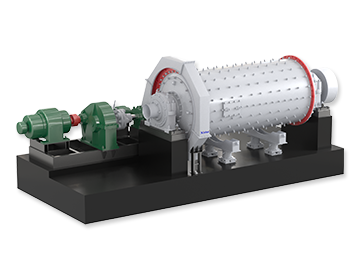
According to their different discharging end, ball mills can be divided into three types: grid type, overflow type and peripheral discharge type. In practice, peripheral discharge ball mills are rarely used; while grid ball mills and overflow ball mills are commonly adopted. If comparing the grid types and overflow types, what are the common grounds and differences between them? Under what circumstances are grid ball mills a better choice? And overflow ball mills? Here, we will give a brief introduction to you.
Graphite is an excellent natural non-metallic mineral with good floatability and it is widely used in chemical, metallurgy, oil, automobile manufacturing and other industrial sectors. In the industry application, Graphite with larger flakes and higher purity will have wider application and high price. Therefore, in the process of graphite, protecting the graphite flakes and improve the impurity is key. As we all know, the graphite processing equipment has large effect on the graphite concentrate besides the Graphite beneficiation process. What are the graphite processing equipment and how to choose it?






 Whatsapp:+8613811510145
  xhmineral@xinhaimining.com
  Online Inquiry

 Get Quote
 Online Inquiry
 Leave Message
 Send Email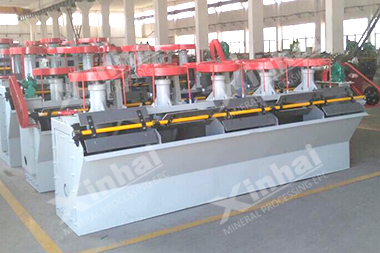

 Consult
 Message
 Email
Email
 Whatsapp
